An ongoing critical investigation into systems of curating and a reflection on the implications of standardisations within social media infrastructures that harvest, manifest, and intertwine the production of exhibitions in time-based media.
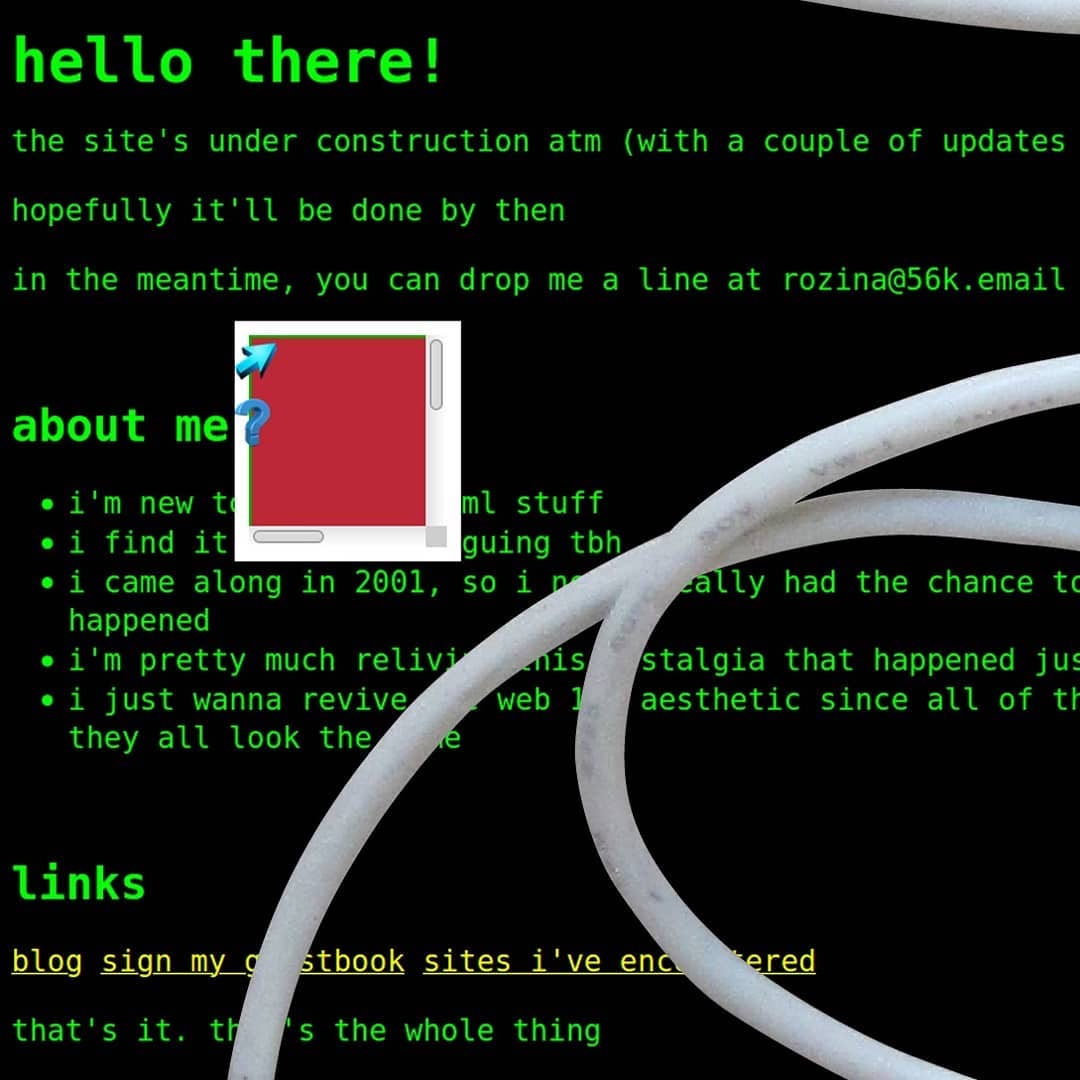
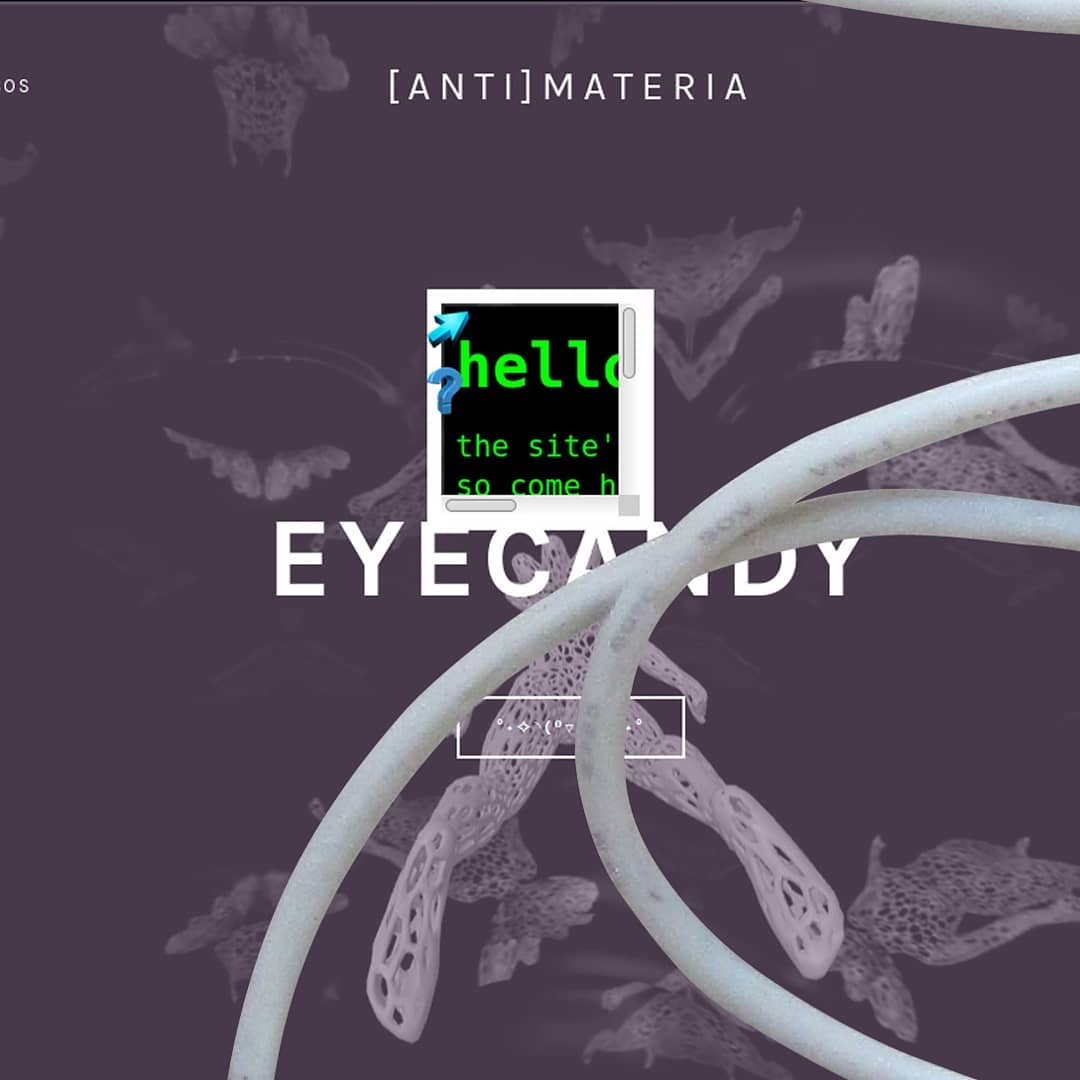
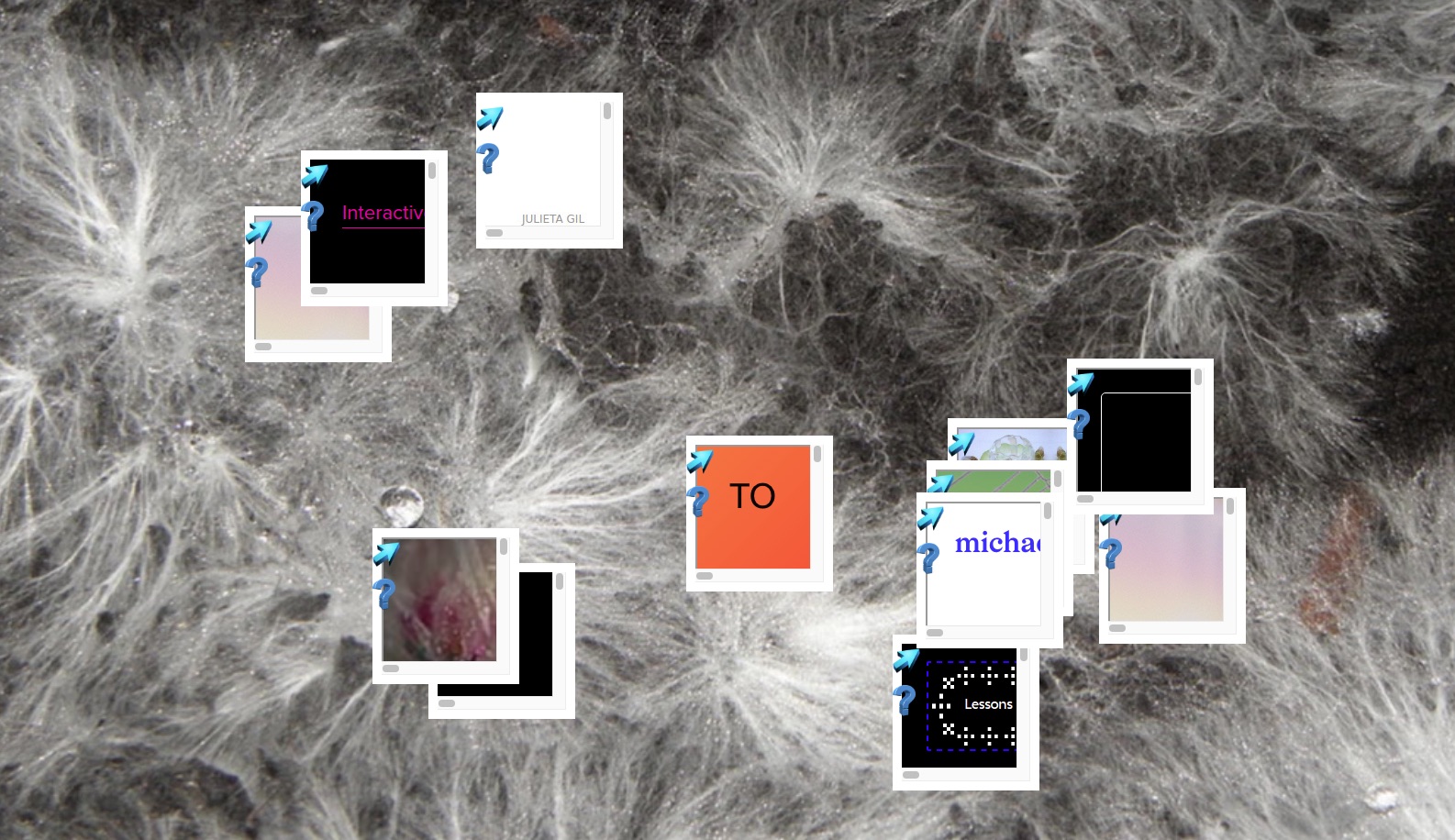
The original text for the part of the exhibition that I was directly featured in was as follows:
Webrings were and potentially still are a system of linked websites that aggregate together similar content and interest groups. Seeded across the digital commons, webrings took on the guise of an affinity network; a systemic nebulous chain of association that we can now import seamlessly into the logics of the Economy of Like….
The seminal figurehead of the Ringmaster either created a piece of code by designing their own system or, back in the 1990s when Sage Weil launched WebRing, they could choose to form a webring from one of the organisations spawned alongside Weil’s original system such as RingSurf, WebRingo, Alt-Webirng, Looplink etc.
Webrings offered a decentralised p2p mode of content discovery and mutual support via the meshing and linking together of a co-dependent community of affinity – acting as an open standard for online publishers on platforms to seed across users and create an entangled network of mimetic interest groups. Bound together, through a single looping digital chain, webrings offered up a holistic content discovery system for the lone-rangers that stumbled upon them.
The social, cultural and niche leverage binding together these affinity groups complimented the early DIY spirit of the web, enabling similar websites to intimately tie together in order to bounce visitors from one site to the next.
For users, webrings created a context of discovery and structured serendipity through these webs of association.
The decentralised nature of webrings progressed the idea of a bottom-up method of curating the Web before Google’s overlords entered the game.
However the grand narrator / gatekeeper / arbiter of taste figure of the Ringmaster is still reductive in their reach, and perhaps there is room for a re-imagining and re-casting of a more distributed mode of authorship and agency around the governance of webrings. What would the interrogation of the fiction of agency do to these walled gardens of affinity?
Barad’s framing of agential realism here – in Meeting the Universe Halfway – could play out through our authorial remix. Here agency is assigned not just to humans but to systems where humans, machines and software together are able to produce and generate transformative practices.
The webring in this relational recasting then could be seen not just as a system of affinity and grouping together of Likes, but as actively influencing how and what can be generated and archived / stored based on distributed value chains and dynamics within the dominant system itself.
Could webrings be open systems? Or systems with their own logic / power dynamics?
“Networking is both a feminist practice and a multinational corporate strategy – weaving is for oppositional cyborgs” A Cyborg Manifesto, Donna Haraway
This was the original blog post I wrote on my website (at the time), when I first discovered The Art Of No Likes and decided to participate in the exhibition by adding my website to the webring. To join the webring itself, I added some Javascript straight from the exhibition website, which would allow my website to be featured on other people's websites (through a frame that was randomly placed across their webpages), as well as featuring other people's websites on my websites through the same frame that was randomly placed on my homepage.
there's something freeing about the art of no likes, knowing that isn't the end of the world, especially if likes aren't an option at all. i think that everyone has started to obsess about getting likes a bit too much, as well as other stats, and eventually start to base their worth about them, which i think is silly, almost basing your worth on something that you can't control, such as your age and height (i'd also say weight, but that can be controlled if you exercise regualrly and have a decent diet going). those things are important, but they shouldn't completely define you, so you should probably let go of the idea of basing your worth on yet another bunch of numbers, if you haven't done that already, i highly recommend that you do. you'll feel a lot more freer, and you'll actually have the room and headspace to do the things that you want to do, instead of worrying whether it'll pop or flop. i've started doing it, not worrying about likes, but if you're constantly surrounded by them, it's gonna be hard to ignore when your content practically goes unseen, and your words essentially go unspoken. perhaps if all the major social media outlets simply hid the stats from plain view (the number of followers, likes, and comments) from the start, the web would have been a different place by now, and folks would have focused more on creating for themselves and showing it to the world rather than to create for the world, and not personally vibing with the work they've created. perhaps everyone wouldn't seem so greedy, constantly begging for attention from others (but i guess that for the most part, that's just one of their traits) and dreaming of becoming the next big thing/influencer/whatever, but rather, focusing on honing in on their skills and craft, adding new ones into the mix and combining them in order to create a new skillset rather than to force themselves to fit the mold that probably won't feel comfortable for them.
however, it's all too easy to get caught up in the game of likes, and as for now, there's not much that you can do about them, other than to try to ignore them and get about your day, but there's an ongoing critical investigation that pretty much focuses on the standardisation of social media, and how it warps us (this is something that i'd want to look into a bit more, and perhaps do some in depth research about it). the webring that i'm a part of is also a part of this investigation/exhibiton that focuses on the actual content rather than the amount of likes, in an attempt to revive the spirit of the 90's web, back when likes weren't that big a deal (if they were even a thing back then) and everyone focused on actually creating content, but most importantly, in their own way for the world to see.
this is something that i'm planning on doing, and i guess i'm halfway there already by creating content for myself, but it's no easy road, especially if you've practically grown up in the ongoing era of likes and have to unlearn a great deal of things in order for it to actually be effective (if any big social media platform somehow comes across this, please consider hiding your likes etc from plain view).
I also joined the webring directly via the Portal Constellation so that I could also connect with other people (who started to become disillusioned with social media) through webrings.
I created this version of my website at a time when I was growing tired of existing in algorithmic online spaces, where I wanted to find another way to exist online. This was also how I first learned how to code in HTML and CSS. I also chose to host my website on Neocities at the time, since this was a community that welcomed artists and other creative people who were interested in technology as well as having their own space online, away from social media platforms.